

Novelist and former TV reporter Elise Hart Kipniss shares how her journalism background helped equip her to tell stories and write novels. We discuss the differences between fiction and nonfiction, as well as between a report and a story. We also talk about how to create more irresistible characters and her upcoming release, PRICE OF SILENCE. Check it out!
Season 10 - Episode 42: Laurie Dove
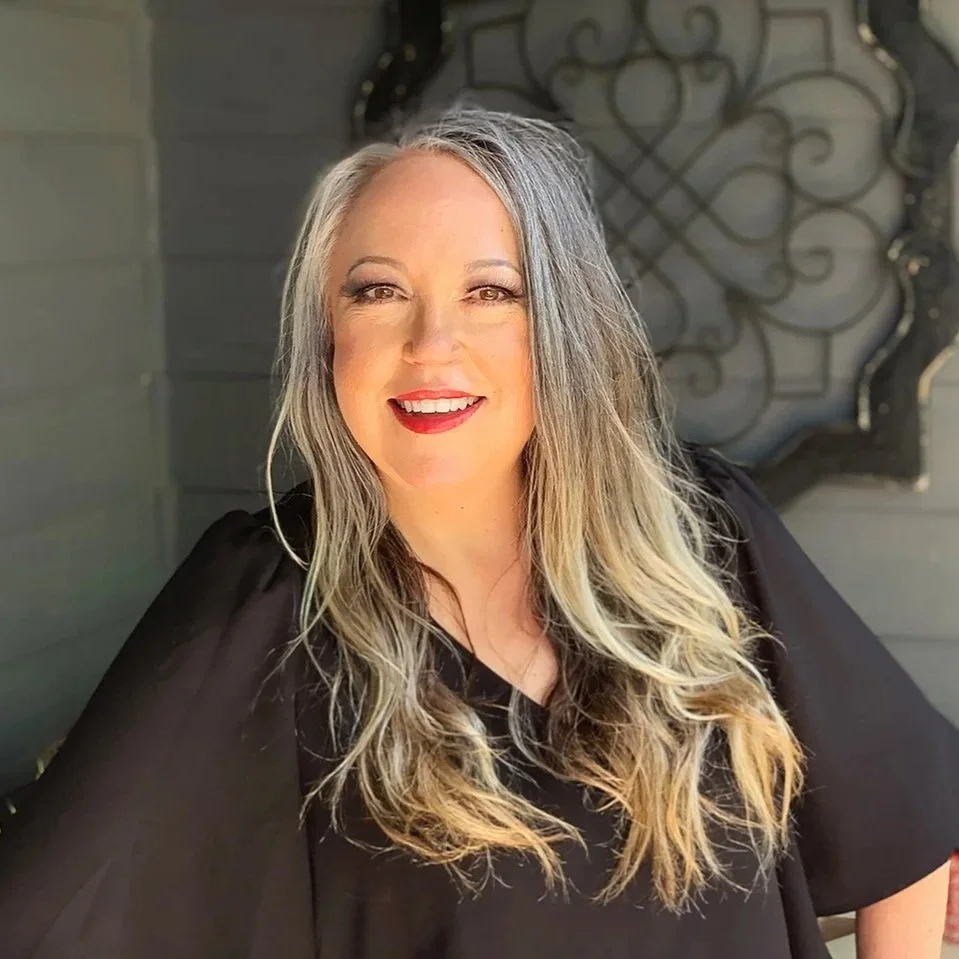
Bestselling author and award-winning journalist Laurie Dove joins me this week to talk about following your characters, weaving the unexpected into your stories, and being honest in your storytelling. She also shares her two paramount rules of writing: write until you surpass your doubt, and continue until the story surprises you. Check it out!
Season 10 - Episode 41: Jack Smith
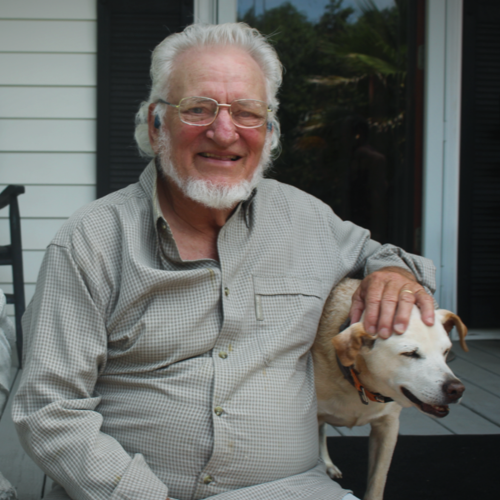
This week, I sat down at the Storytelling Resource Place in Jonesborough, Tennessee, to chat with award-winning poet and storyteller Jack Smith. He shares his passion for writing poetry and telling tales, gives us a glimpse into his creative process, and reminds us how important it is to leave the nest. He also shares several of his moving and poignant poems.
Season 10 - Episode 40: Chris Mullen

Award-winning author Chris Mullen talks with me about everything from writing Westerns to teaching Kindergarten to encouraging creativity and risk-taking—and how to move past the obstacles that so many adults put in their own way. Chris is an award-winning teacher and the acclaimed author of Westerns for teens and adults.
Season 10 - Episode 39: Deborah Raney
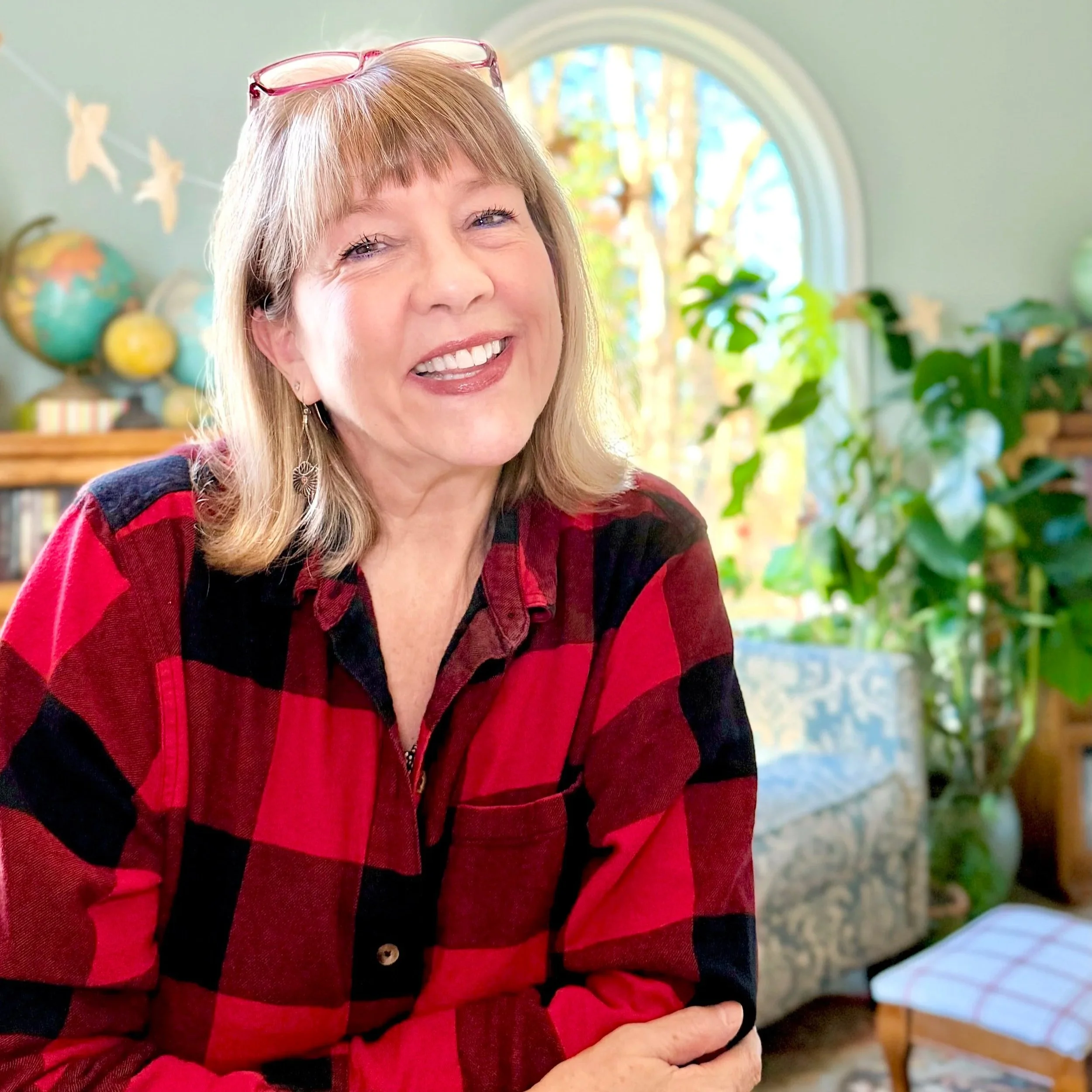
Acclaimed novelist Deborah Raney joins me to talk about writing women’s fiction and romance, how she crafts stories without using an outline, what she does when her characters surprise her, and how important it is—or isn’t—to keep stories believable. We also talk about her latest novel, WHO NAMES THE STARS. Check it out!
Season 10 - Episode 38: Mark Gottlieb

This week, I'm thrilled to speak with literary agent Mark Gottlieb. He has represented many award-winning and bestselling authors and offers a look under the hood of the publishing industry, sharing what literary agents are looking for, what turns them off, and why it's important to have a strong query letter. We also discuss whether or not you should follow publishing trends, verbal breakdancing, and what we can learn from Shakespeare. If you're wondering what goes on inside the publishing industry from the perspective of a literary agent, give it a listen.
Season 10 - Episode 37: Rachel Howzell Hall
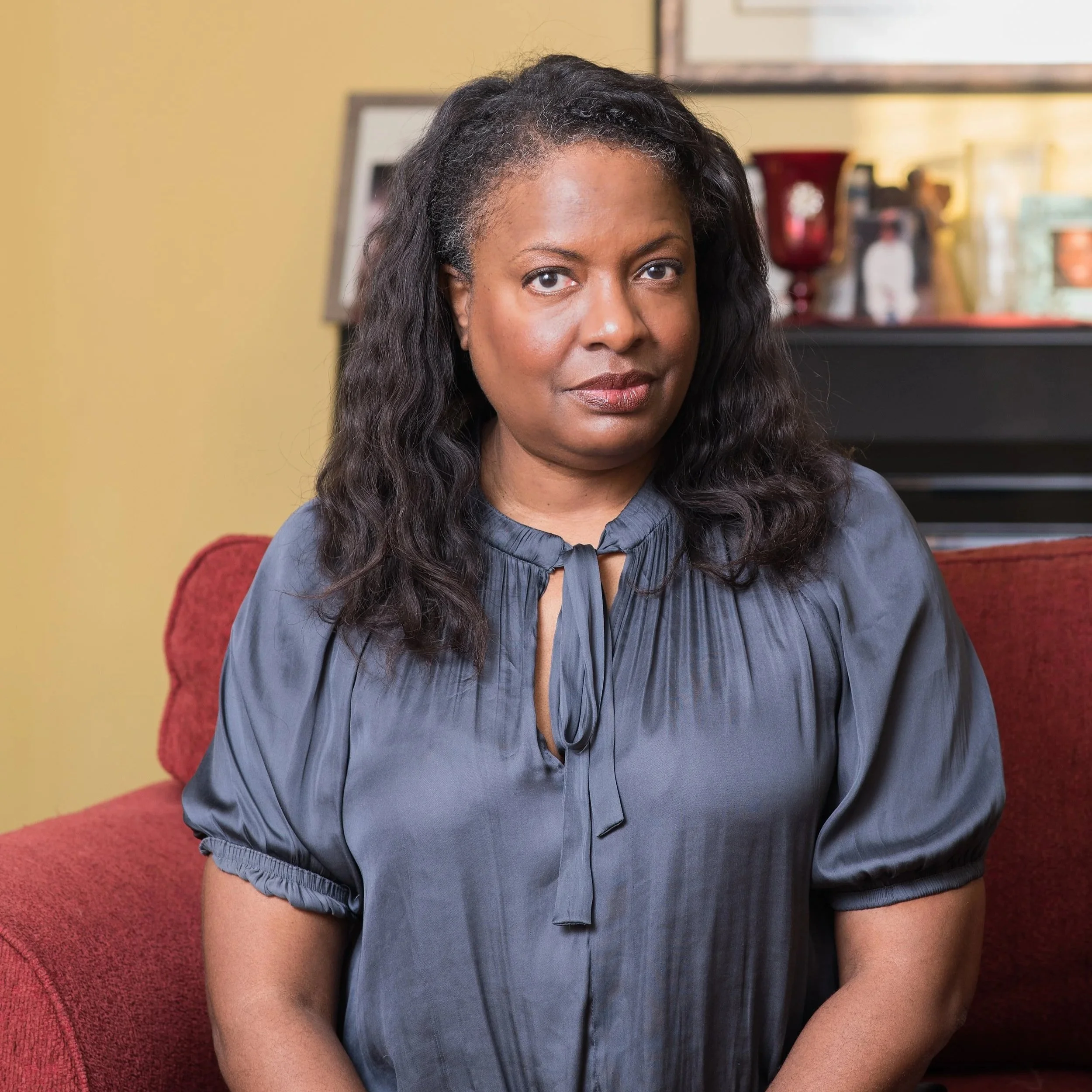
Acclaimed and bestselling mystery writer Rachel Howzell Hall joins me to talk about how to craft a great mystery, the importance of receptivity rather than rigidity when writing, why main characters should be both vulnerable and admirable (without being perfect), and her latest book, MIST AND MALICE.
Season 10 - Episode 36: Anderson Boyd
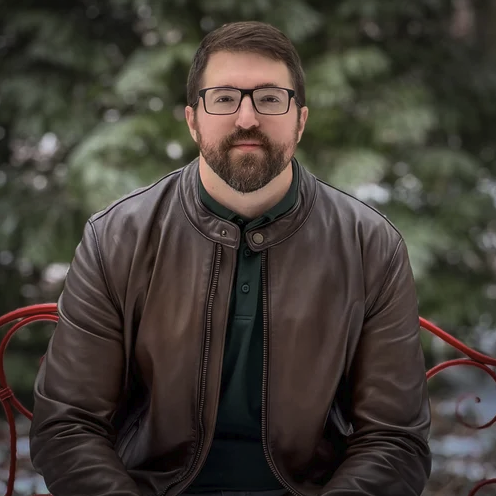
Veteran screenwriter and author Anderson Boyd joins me to talk about his advice for writing a novel, what he learned from screenwriting that transferred into writing fiction, some of his favorite authors, and specific thoughts on shaping and telling the stories you have within you. We also chat about his novel THE LEASE OF NATURE. Check it out!
Season 10 - Episode 35: Josh Goforth
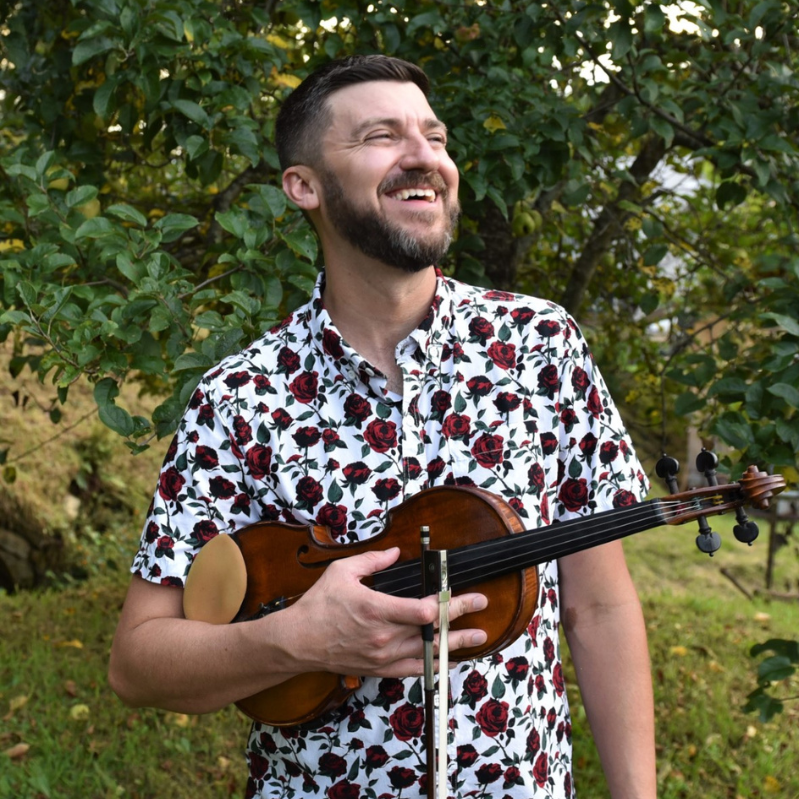
Award-winning musician and acclaimed storyteller Josh Goforth joins me to talk about his journey to becoming one of the most sought-after storytellers in the country, who influenced him most, and what he's learned from his mentors over the years—especially his colorful family members while growing up in the mountains of western North Carolina.
Learn why it's so important to be aware, authentic, and responsive to your listeners when telling your stories. And be sure to visit http://joshgoforth.com for performance dates and to order his latest album.
Season 10 - Episode 34: Liv Constantine

Bestselling author Liv Constantine comes on the show to share thoughts about writing domestic suspense, the keys to characterization, and how to (and why to) keep your stories believable. We also talk about our newest thriller PROMISE ME NEVER. Check it out!